

mental alignment : ค้นหาหนังสือธรรมะ หน้า 20 / 22
หน้าหนังสือทั้งหมด
128
The Relationship Between Processing, Cognition, and Mindfulness
processing and cognition are nested together inseparably and as a unit take the form of the subtle physical body. If the four faculties are separated, the subtle physical body will die immediately — a
Processing and cognition are intimately linked, forming the subtle physical body. If four faculties are disconnected, the subtle body ceases to exist, impacting physical survival. Mindfulness includes
130
Understanding Mindfulness in the Mind
mind in the mind, it means mindfulness only of the sphere of central processing — and not the spheres of the mind involved with perception, sensory registration or cognition. It is no use having mindf
The text discusses mindfulness focusing on the central processing of the mind, distinguishing it from perception and cognition. It describes the clear nature of the pure mind that becomes tainted by d
137
Understanding the Bodies of Enlightenment
ment, the Arahatta Body of Enlightenment [Dhammakāya Arahat] and the Subtle Arahatta Body of Enlightenment.
Thus there are ten types of Bodies of Enlightenment.
The Benefits of Attaining the Inner Bod
This content discusses the ten types of Bodies of Enlightenment, including the Arahatta Body and Subtle Arahatta Body, emphasizing the benefits of attaining inner bodies for personal growth. Meditator
142
The Path to Enlightenment: Understanding Dhammakāya
the knowledge arising from cognition may be erroneous.
The knowledge arising from 'knowing', by contrast, de-
pends on the Dhammakāya — it is knowledge based on
true wisdom such as the Four Noble Trut
This text discusses the distinction between knowledge gained through cognition and that which arises from true wisdom based on the Dhammakāya. It details the bodhisatva's rigorous meditation practice
158
The Nature of Wives in Buddhist Teachings
7. A wife like an slave: A wife who allows herself to be abused, slapped or beaten by her husband without becoming angry or vengeful and without blaming her husband, who is contented to be completely
This text discusses different types of wives in Buddhist teachings, illustrating how their characteristics influence their karmic outcomes. It differentiates between negative types, like a wife who is
173
The Wholesome Deeds of the Brahmin
Once there was a brahmin who noticed that as the monks stopped at a certain place to robe themselves before entering the town for alms, the hems of their robes would always become wet from the dew on
Once there was a brahmin who noticed that as the monks stopped at a certain place to robe themselves before entering the town for alms, the hems of their robes would always become wet from the dew on
174
Understanding Right Effort and Mindfulness in Buddhism
Hearing the Lord Buddha’s explanation, the Brahmin attained "Stream-Entry".
This is an example of making effort representative of the third category of Right Effort on the worldly level arising from
ในบทเรียนนี้ เราจะทำความเข้าใจเกี่ยวกับ ความพยายามที่ถูกต้อง ร่วมทั้งการพัฒนาจิตสำนึกที่ถูกต้องในพระพุทธศาสนา โดยนำเสนอการรักษาคุณธรรมที่สงบ และการเจริญสติใน 4 ประการ เช่น การตั้งอยู่ในกาย อารมณ์ จิต
186
The Jewelled Wheel of the Universal Monarch
UPOSATHA DAYS (full-moon and new moon days). The Universal Monarch is endowed with seven forms of jewels by which he can rule the world:
1. A jewelled wheel;
2. A jewelled elephant;
3. A jewelled hors
This text discusses the essential attributes of the Jewelled Wheel bestowed upon the Universal Monarch. Among seven jewels, the Jewelled Wheel stands out for its double function as an invincible weapo
189
The Path to Enlightenment: Insights from Bahiya Dārucīriya
people cite examples of enlightenment such as that of Bahiya Dārucīriya who, in his final lifetime didn’t appear to mediate, but could become enlightened just by hearing a few words from the Buddha at
In examining the enlightenment of Bahiya Dārucīriya, it is essential to recognize his previous lifetimes where he dedicated himself to achieving enlightenment through intense meditation. Alongside fel
204
The Noble Eightfold Path and Its Fruits
earlier:
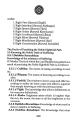
1. Right View [Sammā Ditthi]
2. Right Intention [Sammā Saṅkappa]
3. Right Speech [Sammā Vāca]
4. Right Action [Sammā Kammanta]
5. Right Livelihood [Sammā Ājīva]
6. Right Effort [Sammā Vāyāma]
The Noble Eightfold Path consists of eight practices aimed at ethical and mental development, leading to enlightenment. The path includes Right View, Intention, Speech, Action, Livelihood, Effort, Min
224
Insights on Suffering and Enlightenment
execution, suffering of at death 68
Existence, Cycle of 9, 16, 37, 178, 185-6
extinction of craving, transcendental 100, 115, 175
Extinction of Suffering, Noble Truth of(see Cessation of Suffering, No
This text delves into pivotal Buddhist doctrines centered around suffering and enlightenment. It discusses the cycle of existence and the importance of overcoming craving. With references to meditativ
229
Exploring Key Buddhist Concepts and Practices
Phramonkothpumuni: emphasises practice 12; explains "dhammikāya" and "āyatannibbāna" 102; founder of Dhammakāya Tradition 102; respected commentarian 102-3; sixteen tasks of 207 physical deeds, wholes
This text delves into various aspects of Buddhist philosophy, focusing on the teachings and practices associated with the Dhammakāya Tradition founded by Phra Mongkothpumuni. It highlights the signifi
235
Reference Table of Pali Terms
Appendix D:
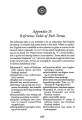
Reference Table of Pali Terms
The following table is not intended to be an exhaustive Pali-English dictionary: it contains only terms found in this book. Where an equivalent English term
The reference table provides a selection of Pali terms related to Buddhist philosophy, arranged alphabetically for ease of use. Each term is accompanied by English translations and necessary clarifica
246
Fundamental Concepts in Buddhist Psychology
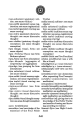
rasa-saṅchetana (gasticatory volition: see sense volition)
rasa-saṃnā (gasticatory sense registration: see sense registration)
rasa-tanḥa (gasticatory craving: see sense craving)
rasa vicāra (ga
This text elaborates on significant concepts in Buddhist psychology, including gasticatory and visual perceptions such as rasa (taste) and rūpa (form). It addresses terms like gasticatory volition, se
249
Understanding Key Buddhist Concepts: A Glimpse into Mindfulness and Liberation
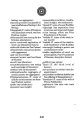
feeling: see aggregates) vedanānupassanā-satitapatthā (see mindfulness of feeling in the feeling) Vehapphalā (P. realm of Brahmas with abundant reward: see form Brahma realms) vibhavaṭaṅhā (see cravin
This text provides an in-depth understanding of various important Buddhist concepts. It covers essential terms such as vedanānupassanā (mindfulness of feelings), vipassanā (insight), and viriya (energ
255
Meditation and the Sphere of Dhamma
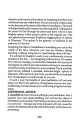
attention at the centre of that object, by imagining that there is an
additional tiny star visible there. Focus your mind continuously
on the tiny star at the centre of the object of meditation. The m
This text outlines a meditation technique centered on visualizing a tiny star within the meditation object, promoting a perfect stillness of the mind. As the practitioner focuses on this 'Pāṭhama-magg
256
Techniques for Effective Meditation
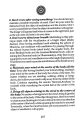
2. Don't crave after seeing something: You should always maintain complete neutrality of mind. Don’t let your mind be distracted from the object of meditation and the mantra. Don’t worry yourself abou
This text discusses key meditation techniques, emphasizing the importance of neutrality and visualization in practice. It advises against craving and worries during meditation, focusing instead on mai
2
The Art of Mindfulness
THE LIFE
& TIMES OF
LUANG PAHW
WAT PAKNAM
DHAMMAKAYA FOUNDATION
PATUM THANI, THAILAND
3
Mindfulness is the practice of being present and fully engaging with the current moment. This book offers insights and exercises to help cultivate mindfulness, which can lead to improved mental clarit
6
The Power of Mindfulness
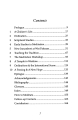
Prologue.....................................................9
A Chicken’s Life .........................................17
Ordination .................................................27
Scriptu
Mindfulness is the practice of focusing one’s attention on the present moment and accepting it without judgment. This technique has gained attention for its ability to reduce stress, anxiety, and depr
16
The Importance of Mindfulness in Daily Life
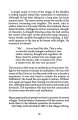
A single monk in front of the image of the Buddha is sitting equally statue-like, motionless in meditation. Although he has been sitting for a long time, his body remains erect. The moon moves across
Mindfulness is the practice of being present in the moment, which can greatly enhance your daily life. This approach helps reduce stress, improves focus, and fosters emotional resilience. Incorporatin